Pheasant hunting can be a very exhilarating way to get outdoors. It can also be a great way to provide your family with food on the table. With the right location, gear, a little know how, and some patience you will have some roosters in your vest in no time. If you are a first-time pheasant hunter, here are the initial steps to get into the field and on some birds.
What is a Pheasant?
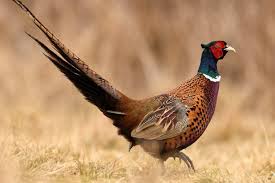
A ring-necked pheasant is a non-migratory bird that was brought to the U.S. in the 1880s from Asia. They can be found in throughout the northern United States and Canada. The male pheasant is called a Rooster. Roosters will have very bright colors consisting of purple, blue, green and red. Roosters will also have long brown and black striped tails. The female pheasant is called a hen and will be a dull brown color, meant for blending in with their surroundings. When pheasant hunting you will be targeting specifically the roosters because, on average, it takes one rooster per thirty hens to have a successful breeding population. (Default.aspx)
Step 1: Locate Huntable Pheasant habitat
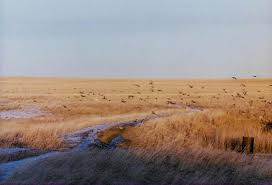
Pheasants can be found in 40 out of the 50 states in the United States. There are certain characteristics of a piece of land you will be looking for when hunting pheasant. “Pheasant habitat would include a combination of grasslands, idle fields, wetlands, croplands, haylands, and shrublands” (Pheasants). Once you have found an area that will support pheasants, you will need permission to hunt the land. This is where knowing fellow pheasant hunters and landowners comes in handy. However, if you don’t know anyone with land you can hunt, there is plenty of public land to hunt. The best way to find public land is to search the internet. Usually your states wildlife agency will have a page where you can view public land in that state.
Step 2: Gear Up
Need to have
Shotgun- .401, 20 gauge, 12 gauge
License- purchased online or in most sporting good stores
Proper clothing- dress for the weather
Blaze orange- helps you be seen by other hunters, check regulations, the more blaze the better
The correct type of ammunition- steel or lead shot, check regulations
Proper footwear- comfortable and waterproof
Nice to have
Bird Dog- help with flushing the birds and retrieving them
Pheasant hunting vest- allows you to carry things like extra shells, water for the dogs, and your birds
Locator collar- help you better control your dog
(The Real Outdoor experience)
Step 3 : Practice Your Shot
Before you head out to the field you will need to practice shooting your shotgun. Shooting a flying bird is easier said than done. There are a variety of ways to do this. One of the most popular is to practice using sporting clays. This will give you plenty of practice shooting your shotgun and provide valuable information like knowing how to lead a bird. To shoot sporting clays you can either go to a gun range with sporting clays or do it in your backyard. The only two pieces of equipment you will need for this, besides your gun and ammunition, are the sporting clays themselves and something to throw them in the air. These can be purchased at your local sporting goods store.
Step 4: Know the Rules and Regulations
Before you step into the field in search of a pheasant you will have to know the regulations. These regulations can vary from state to state and area to area. Regulations consist of such things as hunting seasons, how many birds you can shoot in a day, how much orange you need to wear, what kind of shot you can shoot and many other things. These rules and regulations can usually be found in a rules and regulations book available when you purchase you license or online on the state’s DNR website.
Step 5: Hunting Strategies
There are many different pheasant hunting strategies, depending on the amount of people you are with. If you are alone, you push the field. This is done by simply walking through the fields in hopes of getting close enough to a bird that it will start to flush up and fly. This is made a lot easier with a bird dog because they will use their nose to find birds and flush them up for you. If you are in a large group, a more group-oriented strategy will need to be put in place. You will want to have two different groups, the pushers and the posters. The pushers will start at one end of the area you are hunting and spread out in a line about 50 or so feet apart from each other. They will slowly walk together in this line towards the other end of the field where to posters will be sitting. The posters will also spread out in a line at the end of the field. The posters will keep the birds from running out the end of the field while the pushers will slowly walk, pushing the birds towards the posters. The pushers will usually get the first shots but, once you have confined the birds between the pushes and the posters, the birds will have nowhere left to go but to fly. This is where things start to get wild. However, when hunting in a group, you need to be extra careful of where you are shooting so you don’t shoot a fellow hunter or dog.
Step 6: Clean and cook you birds
The old saying “there are many ways to skin a cat” applies here. There are various methods of cleaning your bird, depending on what you want to do with the meat. The simplest way I have found to clean a pheasant is to simply remove the breast. However, this leaves a lot of usable meat left on the bird. Another way to clean your bird would be to pluck it and gut it. This will leave you with the most usable meat from you bird, however, it is very time consuming. Once you have your birds cleaned you will need to cook them. There are many ways to do this and my favorite way is to make pheasant poppers.
My Experience Pheasant Hunting
Throughout my years of pheasant hunting I have hunted lots of pheasant ground in Minnesota and South Dakota. My favorite place to hunt is a small town outside of Pierre, South Dakota. With the amount of birds in this location you either have to have a really bad day or be a really bad shot not to come home with a bird. I personally shoot a 20-gauge shotgun because I feel it is moderately light for long walks but still has enough power to take down a bird. In South Dakota some of the regulations are things such as a three-bird a day limit and a 50% blaze orange rule. During the off season one of my favorite things to do is to practice my shot using sporting clays with my friends. Through the years I have fallen in love the sport of pheasant hunting. If you decide to give it a try, I believe you will too.
Sources
“/Default.aspx.” Pheasantsforever.org, http://www.pheasantsforever.org/Habitat/Pheasant-Facts.aspx.
“PHEASANTS.” Landowner’s Guide: Pheasants, http://www.michigandnr.com/publications/pdfs/huntingwildlifehabitat/Landowners_Guide/Species_Mgmt/Pheasants.htm.
“The Real Outdoor Experience Gear Lists.” Troe, http://www.therealoutdoorexperience.com/gear-lists.
 RIPE Magazine | Volume 1